5 Ways Running in the Cold Can Help Your Body and Mind

5 Ways Running in the Cold Can Help Your Body and Mind

Running in cold weather isnt punishmentit's a powerful way to boost both body and mind. If motivation is tough in winter, you're not alone. The gray skies and chilly air can tempt you to stay inside, but outdoor running this season offers plenty of benefits for fitness, mood, and resilience. Whether you're chasing a winter race, building a base, returning from a marathon, or simply prioritizing a healthier routine, there are countless reasons to lace up. To illustrate why, we spoke with experts about five solid benefits of cold-weather runningand what to consider to stay safe when you head out. Plus, discover how BPRunning gear can support you every step of the way.

1) Your Body Learns to Adapt to Cold Environments

On the first truly frigid day of the season, your sympathetic nervous system kicks into high gear to protect you from freezing. Blood shuttles away from the skin and extremities to preserve core temperature and vital organs. If you head out for a run, you generate heat and may avoid shivering.

With repeated cold exposure and no life-threatening risk, your body starts to tone down its stress responsea process known as cold habituation. Over time, fewer stress hormones flow through your bloodstream, and more blood stays closer to the skin, helping you feel warmer. While cold habituation hasn't shown performance gains beyond regular exercise, consistent winter runs make outdoor tasks more bearable.

How BPRunning supports this:

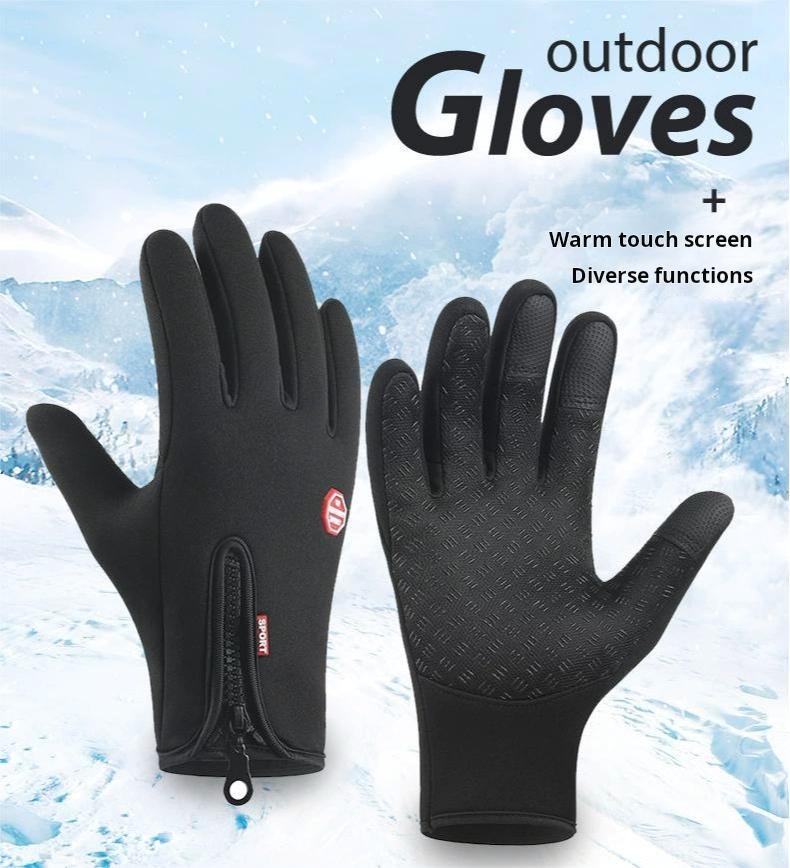
Cold-weather accessories: The BPRunning Thermal Running Gloves and Beanies keep critical areas warm without overheating.

2) It Can Improve Your Mood

Many people in northern climates notice mood dips in the colder months. A key factor in seasonal affective disorder is reduced exposure to natural light, which can disrupt circadian rhythms. Training outdoors in daylight helps reset those rhythms. Sunlight also boosts vitamin D, important for mood-regulating neurotransmitters like serotonin and for a healthy immune system.

In addition, the mood-boosting effects of physical activity and time in green spaces can help reduce feelings of disconnectionsometimes called nature deficit disorder.Outdoor exercise may also lower anxiety: a large 21-year study found Swedish cross-country skiers were about half as likely to develop anxiety compared with non-skiers. If you‘re struggling with persistent sadness or anxiety, talk to a healthcare professional. 

BPRunning tips:

Hydration and comfort: Use the BPRunning Hydration Pack for longer cold runs where you don‘t want to stop for drink breaks, plus a compact, insulated sleeve for snacks.

3) It Can Rev Your Metabolism

Shivering increases energy expenditure, but when you’re running, your core temperature typically doesn‘t drop enough to trigger shivering. Instead, milder cold exposure with activity can trigger nonshivering thermogenesis, boosting metabolism through brown fat activation. Some evidence suggests this effect grows as you acclimate to the cold.

As winter approaches, people tend to be less active. The combination of cold air and exercise helps keep your body‘s fueling systems humming, supporting energy levels throughout the day.

4) It Builds Mental Toughness

Training in less-than-ideal conditions can prepare you for unpredictable race-day weather. Persevering through tough conditions gives you a tangible sense of mental toughness: If I can navigate this, I can navigate whatever spring may throw at me,as described by coaches and athletes who’ve faced challenging races.

BPRunning aid:
Motivation and gear: A lightweight, breathable running belt from BPRunning can hold your essentials without chafing, helping you stay out longer in cold weather.
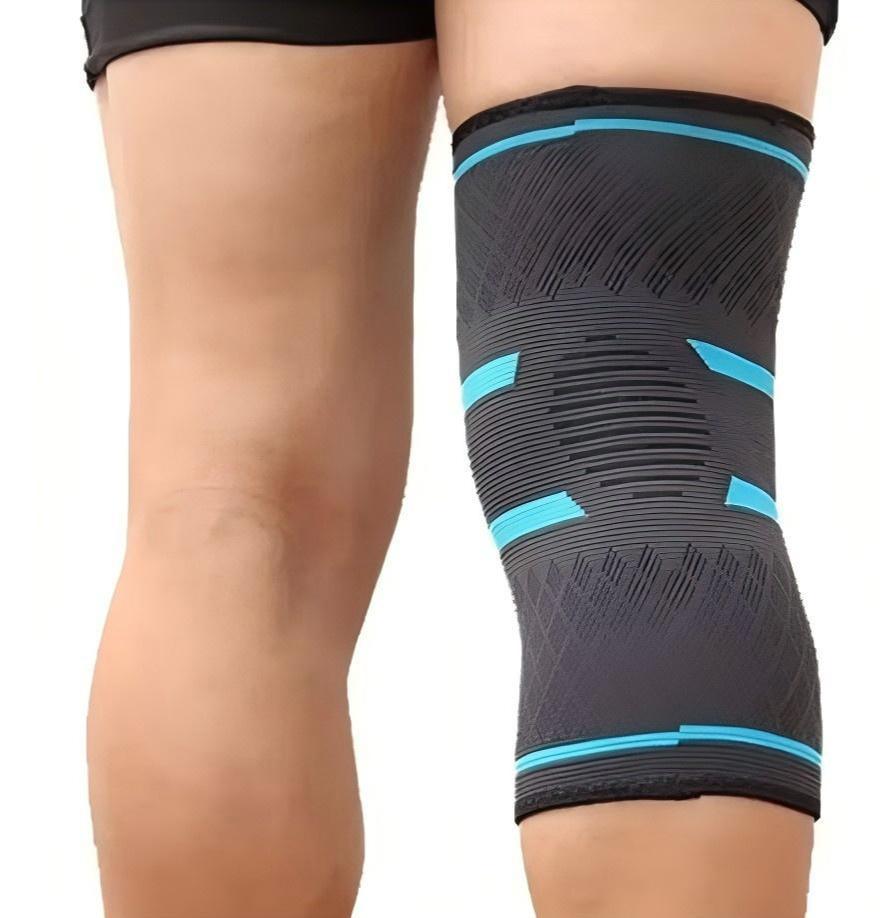
Recovery kit: Post-run, use BPRunning Recovery Gear aids to speed up recovery after tough winter sessions.

5) It Lets You Let Go of Expectationsand Have Fun

Cold runs can remind you that performance isn’t everything. The chemistry of muscle contraction works best in warmer temps, and ice or slush can slow you down. That‘s why winter runs can be a relief: you don’t have to chase a perfect pace. Embrace the moment and enjoy the experience.

If you're hung up on numbers, consider leaving your watch at home or basing workouts on time rather than pace. Some runners balance tempo or interval sessions on the treadmill with easy or long outdoor runs, and get creative with routeslike looping near freshly plowed roads for a quieter, calmer workout. Snowshoe running can also be a fun, transferable challenge that still benefits your running fitness.

Safety: How to Know It‘s Safe to Run in the Cold

Before heading out, take a few precautions. Layer up to maintain a normal core temperature and guard against hypothermia and frostbite. Check local forecasts and wind chill advisories, and be mindful of ice on your route to avoid slips and injuries.

Cold air can affect breathingbronchospasms, coughing, and wheezing can occur with sensitive airways. If you have a preexisting condition, consider consulting a professional. While risk is lower for regular runners, it’s still important to acknowledge heart-related concerns, especially for older adults or those with underlying conditions.

Winter running offers meaningful benefits for body and mind, from physiological adaptations to mood improvements, metabolism, mental resilience, and a healthier relationship with pace. With proper precautions, you can make the most of the season and keep your miles and your spirits upand with BPRunning gear, you'll have the right tools to do it comfortably and safely.

Zurück zum Blog

Hinterlasse einen Kommentar