Man running on snowy trail in winter wearing blue long-sleeve shirt, black leggings, and gray hat

Winter Running Layer Guide: What to Wear Above or Below Freezing (BPRunning) — How to Layer Properly for Cold Weather Running

Winter-running-layer-guide

Cold-weather running isn't for everyone, but with the right gear, you can stay warm, dry, and comfortable no matter the forecast. If you're swapping gym climate control for winter streets, you'll want a wardrobe that breathes, insulates, and moves with you. Below is a practical layering guide for freezing and milder winter days, with product ideas from BPRunning to help you outfit your next run.

Key ideas

- Your ideal outfit depends on temperature, pace, and duration.
- Start with moisture-wicking base layers, then add insulation and wind/water protection, finishing with warm accessories.
- Footwear and traction matter as much as layers, especially on snow, ice, or slush.

What to wear when it’s 32°F (0°C) or below

Base layers
- Bra and tank: moisture-wicking and breathable. Consider merino wool for natural warmth and odor resistance.
- Long-sleeve midweight base layer: non-itchy merino wool or high-quality polyester blend.

 Legs and feet
- Calf warmth: knee-high, moisture-wicking socks; lightweight ski socks work well.
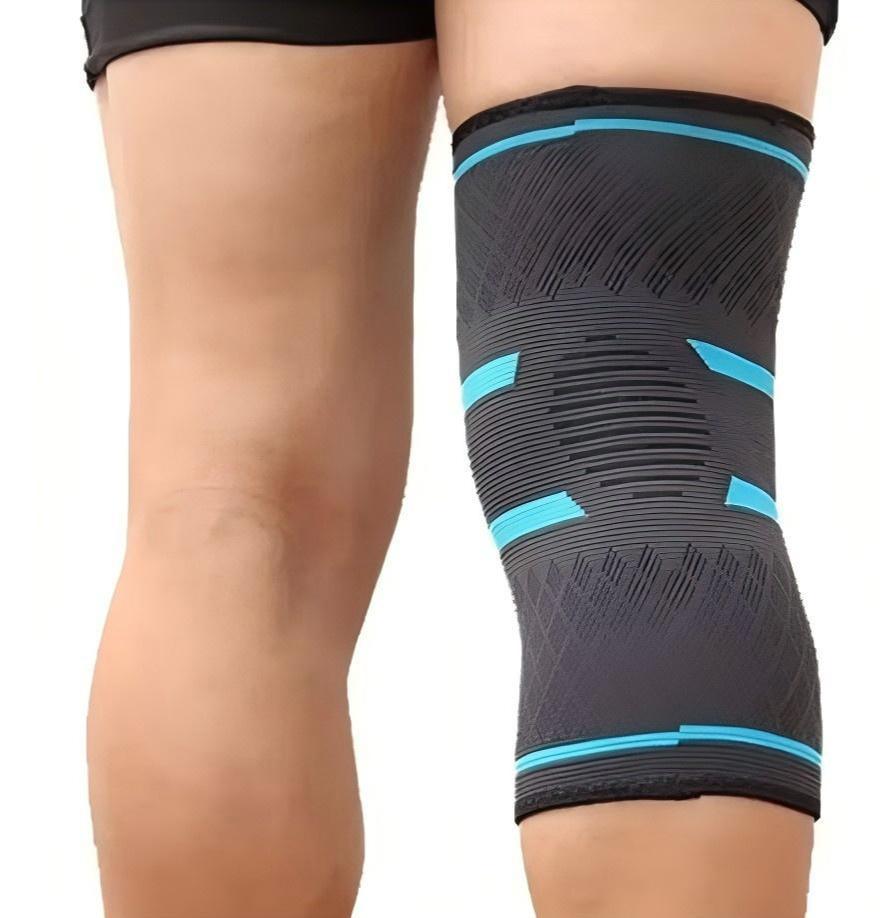
- Tights: thermal, compressive running tights for warmth and support.

Outer layer
- Fitted softshell: wind-stopping, breathable over the base layer.
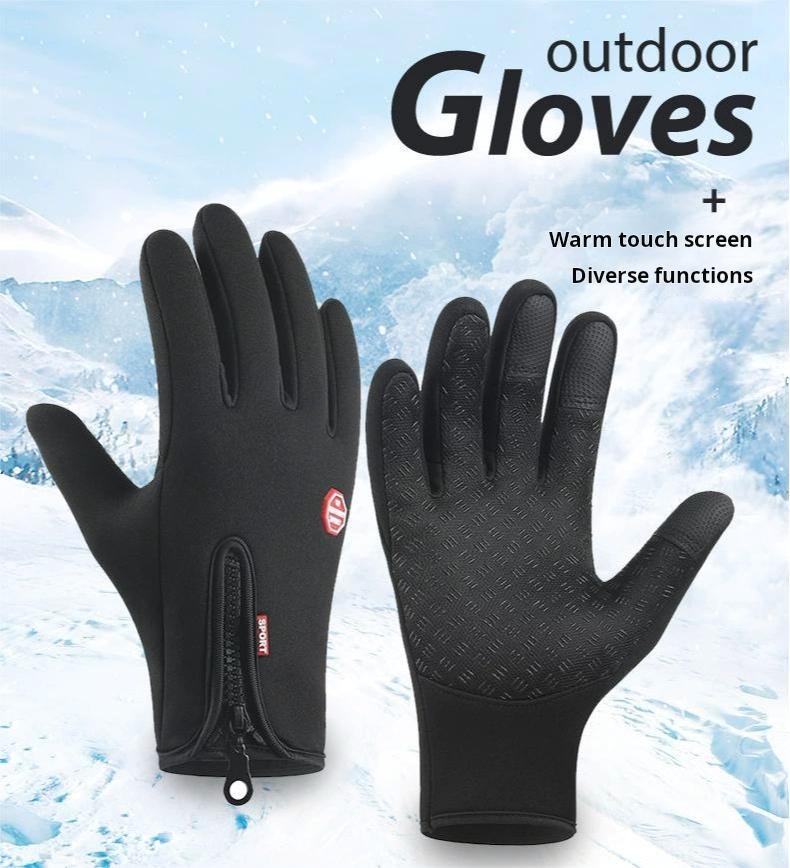
- Gloves or liners: insulated running gloves or liners.
- Hat: lightweight, moisture-managing cap or beanie.
- Neck: fleece neck warmer to protect neck and chin; helps reduce lung exposure. 

Face and sun protection
- Sunscreen and lip balm with SPF; snow glare is real.
- Sunglasses to shield eyes from UV glare off the snow.

Footwear and traction
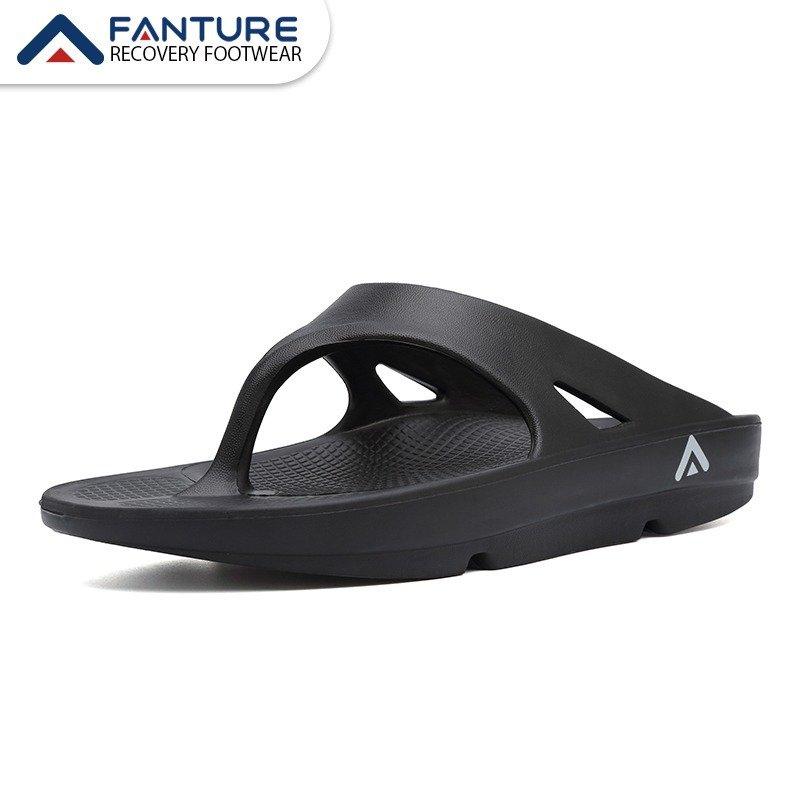
- Shoes: water-resistant, breathable running shoes with good traction.
- Gaiters: keep snow out and legs dry.
- Traction: Yaktrax Run straps or similar for icy conditions.

Shop winter traction and protection: BPRunning.com

What to wear when it’s above 32°F (warmer winter days)

Layer strategy
- Layer lightly to avoid overheating: thin moisture-wicking top + light zip-up windbreaker.
- Choose breathable jackets with vents and zippered pockets for easy stash.
- If windy or damp, opt for a packable windbreaker.

 Bottoms and headwear
- If windy or chilly, wear running tights; for calmer days, lightweight pants may suffice.
- Ear-covering headbands help without overheating.

 Footwear and weather
- Rainy/wet days: choose shoes with less mesh to keep water out; trail runners work well.
- Wear non-cotton moisture-wicking socks; avoid puddles.

 Gloves and protection
- Light wind-resistant gloves on milder days.
- Sunscreen, sunglasses, and SPF lip balm remain important even on cloudy days.

 Practical tips
- Hydration and nutrition: cold air dehydrates; bring water and quick-energy snacks.
- Layer management: unzip/remove outer layer if you overheat; store in a pocket.
- Visibility: shorter winter days—add reflective gear or bright accents.

 Shop the winter running essentials at BPRunning.com
- Explore our winter-running collection for base layers, outerwear, tights, and traction gear. Each item is selected for warmth, moisture management, and cold-weather performance.
- Cyber Week update: Today is the last day to save. Shop now to power your runs through snow, ice, and rain.

Today’s Cyber Week note
Today is the last day of our Cyber Week offer. Head to BPRunning to grab winter running essentials before the sale ends. Our gear is chosen to help you stay warm, dry, and comfortable on every winter run.

Regresar al blog

Deja un comentario