How to Avoid Injuries During Marathon Training — A Practical Guide for Every Runner

How to Avoid Injuries During Marathon Training — A Practical Guide for Every Runner

Marathon training is thrilling, but the path to 26.2 miles can be rough on the body. The good news: with smart preparation and the right gear, you can reduce injury risk, stay consistent, and hit race day strong. This guide blends practical, evidence-based strategies with hand-picked gear from BPRunning.com to support every step of your training.

1. Build a solid foundation

Start with a smart base: If you’re new to running or returning after a break, build a steady base of easy miles before adding speedwork or long runs.
Progress gradually: Follow the 10% rule (increase weekly mileage by no more than 10%). If you’re new, aim even lower.
Schedule rest days: Recovery is where adaptation happens. Don’t skip easy days or cross-training.
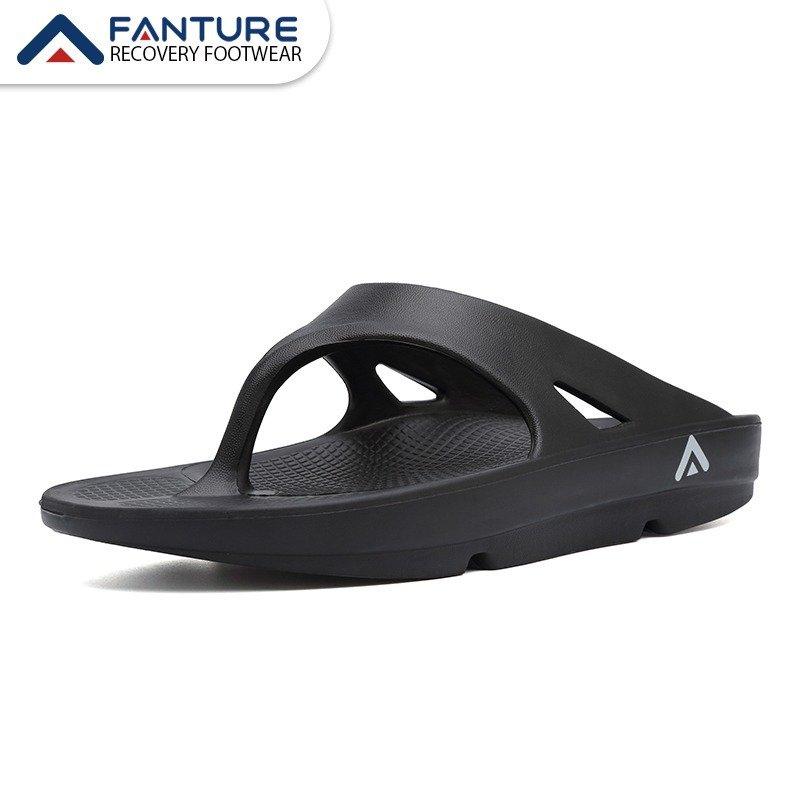
Shop tip: Cushion, support, and moisture-wicking gear help you stay comfortable on higher-mileage weeks.

2. Prioritize injury-prevention habits

Warm up and cool down: 5–10 minutes of dynamic moves before runs, plus gentle post-run stretches.
Strength training: 2–3 sessions per week focusing on hips, glutes, core, and calves. Strong movement patterns reduce the risk of IT band syndrome, plantar fasciitis, etc.
Mobility matters: Regular hip flexor and ankle mobility work helps maintain form and efficiency.
Shop tip: Our resistance bands, foam rollers, and mobility tools are perfect for at-home routines.

3. Nail your running mechanics

Cadence and form: A slightly higher cadence (around 170–180 steps per minute) can reduce impact forces. Aim for a relaxed, tall posture with a light footstrike.
Run with purpose: Pay attention to foot strike, knee alignment, and hip stability. If you’re in persistent pain, consider a gait analysis or a clinician consult.
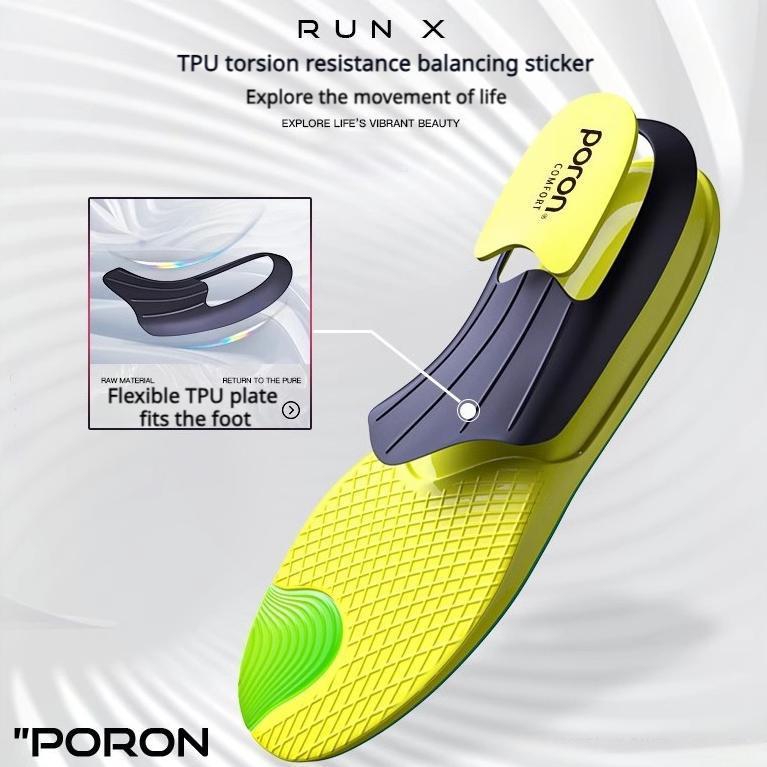
Shop tip: Insoles and support inserts designed for common alignment issues can make a big difference. 
Try the BPRunning Gait-Stability Insoles (with 30-day comfort guarantee) to optimize alignment. 

4. Smart training that protects you

Plan long runs thoughtfully: Do most long runs on easy terrain and pace. Build up long-run distance gradually; every few weeks, revert to a cutback week.
Integrate cutback weeks: Every 3–4 weeks, reduce volume to allow recovery and adaptation.
Speed work with care: If you’re new to speed work, start with strides or short intervals and progress slowly.
Shop tip: Hydration gear, breathable apparel, and reflective gear keep you safe and comfortable.
Hydration and safety: Check out the BPRunning Hydration Pack and reflective running vest for night/early morning runs. 

5. Listen to your body and know when to back off

Red flags: Sharp or lingering pain, swelling, numbness, or new tenderness after runs deserve rest and professional evaluation.
When in doubt, rest: It’s better to miss a workout than push through a serious injury.
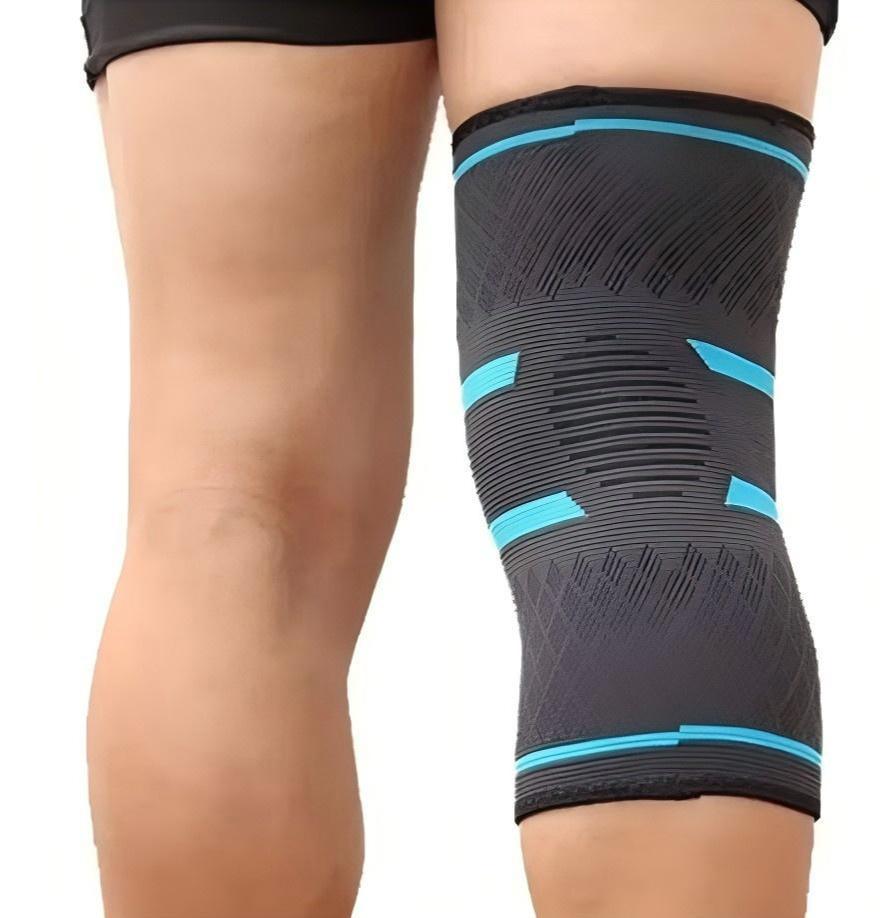
Shop tip: Recovery tools help you bounce back faster—foam rollers, massage balls, compression sleeves
Recover faster with the BPRunning Recovery Tools (foam roller, massage ball, compression sleeve, etc.). 

6. Race-specific readiness

Taper wisely: Reduce volume in the weeks leading up to race day while maintaining some intensity to stay sharp.
Practice race-day routine: Test shoes, socks, fueling strategy, and pacing in long training runs to avoid surprises on race day.
Shop tip: Stock up on race-day essentials—energy gels, electrolyte drinks, backup socks.
Gear up with a Race-Day Starter Kit: gels, electrolyte tabs, and spare socks included. 

Injury prevention is about consistency, smart progression, and listening to your body. By integrating these practices—and the right gear from BPRunning.com—into your marathon training, you’ll stack the odds in your favor and enjoy the journey as you approach race day.

Want personalized tips? Tell us about your current mileage, injury history, and goals, and we’ll tailor a safe, effective plan with recommended gear from BPRunning.com.

Zurück zum Blog

Hinterlasse einen Kommentar